News

Teaching the new generation in Mongolia about recycling
News – CCR-Mongolia

Teaching the new generation in Mongolia about recycling

–
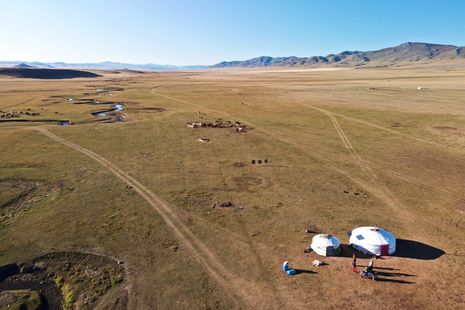
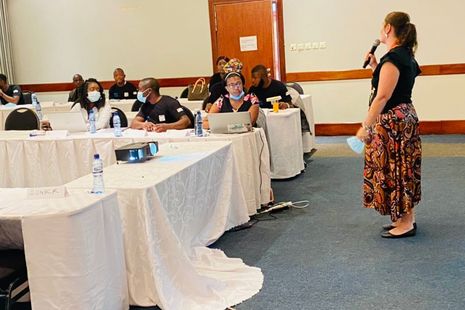
The significant growth in environmental, economic, and social challenges presented by waste show that it is one of the top priorities to address in Mongolia. Although Mongolia has been developing policies and strategies to reduce and reuse waste, people, in general, are not accustomed to recycling. That is why the Caritas Czech Republic, together with partners, the Mongolian sustainable development bridge organized various kinds of training about waste management for the public and relevant stakeholders.
Behind the scenes of Caritas Czech Republic: Meet the Head of our department Jiří Škvor
– Humanitární pomoc a rozvojová spolupráce Charity ČR
–

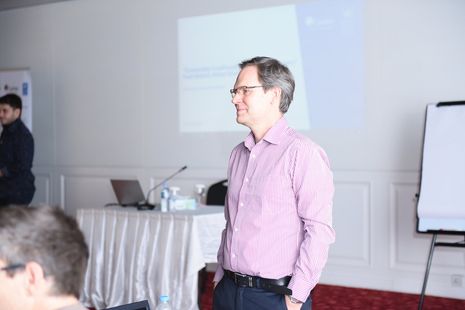
Would you like to know more about the Humanitarian Aid and Development Cooperation department in Caritas Czech Republic? We launched a series of interviews with our colleagues who will tell you more about our work across the world. This time we interviewed Jiří Škvor, the Head of the Humanitarian Aid and Development Cooperation department.

CARITAS CZECH REPUBLIC LAUNCHES MEDIA CAMPAIGN TO PROMOTE YOUTH EMPLOYMENT IN MONGOLIA
What we do – CCR-Mongolia

CARITAS CZECH REPUBLIC LAUNCHES MEDIA CAMPAIGN TO PROMOTE YOUTH EMPLOYMENT IN MONGOLIA

–

The issue of youth employment has become a center of discussion and concern for countries around the world. Mongolia is also facing this challenge. According to the National Statistic Office of Mongolia, 52% of youth between ages 15 and 34, which is 50% of the working-age population in Mongolia - are unemployed or experiencing working poverty. In contrast, employers state that there is a demand for young people in the labor market. What explains the disconnection?

We have cleaned up 10 tons of waste, says Bilegtur from Mongolia
Interviews – CCR-Mongolia

We have cleaned up 10 tons of waste, says Bilegtur from Mongolia

–

The amount of waste in Mongolia is steadily increasing due to the rapid urbanization and shifting consumer behavior and most of it goes to insufficiently-controlled disposal sites or is dumped in nature. Therefore, many young people come together and actively clean up litter and waste from rivers, forests, and the city streets. One of them is Bilegtur O., a member of the Civil Society Organisations’ (CSOs’) Network established under the EU-funded project “Sustainable Plastic Recycling in Mongolia” (SPRIM). 

Bilegtur O. is the leader of the youth eco-club and Let’s Think Green Club. He is sharing more information about the activities with his club members and their future goals in the following interview.

One day at Caritas Czech Republic's mission: Come with us to Mongolia
– Humanitární pomoc a rozvojová spolupráce Charity ČR
–

Do you want to see how it looks like at Caritas' mission? We have put together a short video series through which our colleagues will show you what their working day looks like. Let's continue with our second video from Mongolia - Bayanjargal Batbayar from the local team will take us on a field trip to our projects.

There is hope for young refugees in Zambia thanks to DAFI Scholarships
– CCR-Zambia
–

Education is very important, but it is not always easily accessible, especially for refugees who cannot afford the university tuition fees. But for refugees in Zambia, the story is different as they can take advantage of the DAFI scholarship programme that offers refugees the opportunity to pursue a university degree.

Students under the DAFI scholarship attending the annual workshop

Waste pollution has reached an alarming level for us while on a bike trip, says Mongolian family
Interviews – CCR-Mongolia

Waste pollution has reached an alarming level for us while on a bike trip, says Mongolian family

–

Mongolia, well known for its nomadic traditions, natural beauty and wonderful landscapes, attracts many international travelers and visitors every year. Domestic tourism has increased as well and many Mongolians now travel locally to visit their family members and relatives or to explore the countryside.The number of exemplary young families who increase public awareness and attitude towards waste pollution among their communities is growing, mainly as a consequence of the enormous amount of waste left in the environment by domestic travelers. Caritas Czech Republic (CCR) in Mongolia made an awareness-raising video about waste pollution under the “Sustainable Plastic Recycling in Mongolia” project with a family who promotes the use of bicycles. Purevdorj, who took part in the video, will share his family’s experience of an eco-friendly lifestyle. N. Purevdorj’s family has been riding bicycles for many years after giving up cars that cause air pollution and heavy traffic jams in Mongolia.

Why am I a volunteer?
Stories – CCR-Mongolia

Why am I a volunteer?

–

Jana Zilkova is the Country Director of Caritas Czech Republic in Mongolia. She has more than 10 years of experience in international development, project management, policy making and research. She has studied and worked in several European and Asian countries, including the Czech Republic, Belgium, Germany, Denmark, Singapore and currently Mongolia. Today, Jana Zilkova shares her experience about volunteering and encourages others to become volunteers as well.

"All for YOUth, YOUth for all” project is empowering future generations and civil society
News – CCR-Mongolia

"All for YOUth, YOUth for all” project is empowering future generations and civil society

–

Do you know what challenges young people and youth civil society organizations (CSOs) face in Mongolia today? Many studies say that it is difficult for young people to find decent employment opportunities, gain quality education and participate in social activities. Also, one of the biggest challenges is to find funding for their activities and initiatives. Thanks to the European Union and the Transition Promotion Program of the Ministry of Foreign Affairs of the Czech Republic, the “All for YOUth, YOUth for all” project is empowering the emerging youth and youth CSOs to participate in the development and decision-making in Mongolia.

Issue of the visibility and inclusion of disabled people is most significant barrier to them
News – CCR-Mongolia

Issue of the visibility and inclusion of disabled people is most significant barrier to them

–

For many people living with a disability, their disability is not the most significant barrier to their participation and inclusion in the community.  Instead, these barriers are all around us and often unnoticed.  They are wheel chair ramps that are too steep, icy, or not maintained.  They are government processes that are overly centralized or exclusively online.  They are transport systems that don’t include stepless sidewalks or even pedestrian access at all.  The real barriers for many people living with disabilities is actually the way we build our communities.